
Best Greece Tours To Enjoy The Islands
Greece has a special way of drawing visitors back again and again. Greece tours make the first visit easy and every return journey richer. They link famous ruins, lively city streets and quiet island coves into one smooth plan. First-timers, couples, families, friends and solo travelers all find a pace that suits them.
This guide moves through the classical sites, Athens, the big islands of Crete, Rhodes and Corfu, and the Aegean. Each part shows what to see, which kinds of trips work well and what comes with them. For extra planning help, My Greece Tours shares local advice on routes, seasons and island hopping.
Which Greece Tours In The Classical Sites Do Travelers Remember?
The Greece tours travelers remember most here mix famous names like Delphi, Meteora and Mycenae. A guide turns their old stones into stories that stick. Many visitors compare Greece tours and Tours In Greece before choosing a route that matches their pace. A good itinerary links the ruins without rushed days.
Which sights make the classical sites special?
The sanctuary of Delphi clings to the slopes of Mount Parnassus. The ancient Greeks called it the center of the world. People came here to ask the oracle, a priestess who passed on messages from the gods. Further north, the monasteries of Meteora sit on giant rock towers, where monks felt safe.
In the Peloponnese, the citadel of Mycenae guards a hill behind thick stone walls. Visitors pass the Lion Gate, the carved entrance to an old warrior kingdom. At Epidaurus, the ancient theatre carries a whisper from the stage to the top seats. The harbour town of Nafplio adds pretty lanes and a seaside walk.
Ancient Olympia is where the Olympic Games began long ago in honor of Zeus. Travelers can stand in the old stadium and race along the track for fun. On the way back to Athens, the canal at Corinth cuts a narrow, deep line through solid rock. Ships squeeze through far below the bridge.
Which Greece tours make the classical sites easy?
Full-day trips from Athens by coach are the simplest choice for first-timers. The comfortable coach handles the driving, and a guide explains each stop along the way. Tours that keep guest numbers low suit couples and solo travelers who want time to ask questions. They often reach peaceful corners that larger buses skip.
Multi-day Greece tours with hotel nights link Delphi, Meteora and the Peloponnese without long drives back to the capital. Families appreciate them because the luggage stays on the bus. Guided walking tours inside the sites bring the ruins to life. Travelers who prefer their own pace can buy entry tickets and wander freely.
Mixing these options works well too, and it keeps the plan flexible. Many visitors join a guided day at Delphi, then explore Mycenae alone with just a ticket and a map.
What comes with Greece tours in the classical sites?
A licensed guide is the most valuable part of these trips. Greek law lets only trained, official guides lead visitors inside major ancient sites. They explain myths, kings and temple ruins in plain words, so even children follow the story. A local guide also knows the shady paths and the best photography spots.
Many Greece tours here also include entry tickets, which saves time at busy gates where lines stretch in summer. Travelers simply follow the guide through the entrance and start exploring right away. Nobody has to queue alone in the afternoon heat.
On multi-day trips, hotel nights come built in, so guests wake up close to the next site before the crowds arrive. A good night of sleep keeps everyone fresh for the climbs and stairs ahead. It also means less packing and unpacking each evening.
How do you avoid stress in the classical sites?
Start early whenever possible, right when the gates open. Morning light is softer, the air is cooler and the paths are calmer. Wear sturdy shoes with good grip, because ancient stones turn slippery under countless footsteps. A hat, sunscreen and a refillable water bottle are musts, since shade is rare at most ruins.
At Meteora, the monasteries ask for modest clothing. Women need a long skirt and men need long trousers, and shoulders stay covered. Some monasteries lend wraps at the door, but packing a light scarf makes this easier. Finally, eat a proper breakfast, because snack stops between sites can be far apart.
Which Greece Tours In Athens Give Good Value?
The best value Greece tours in Athens pair the Acropolis with a guide. Then they add a sunset trip to Sounion or a cooking class. Smart planning lets travelers see more while spending less time in lines and taxis. The compact center also rewards curious walkers who explore on foot.
Which sights make Athens special?
The Acropolis rises above the city like a crown. On top stands the Parthenon, a marble temple built for the goddess Athena. Next to it, the Erechtheion shows off the Caryatids, statues of young women who hold up the roof. Below the hill, the Acropolis Museum keeps many originals safe in bright halls.
The Ancient Agora was the old marketplace and meeting ground of Athens. Famous thinkers like Socrates once debated there about life and justice. Not far away, the giant columns of the Temple of Olympian Zeus still stand tall. Then come Plaka and Monastiraki, with narrow lanes, small tavernas and a lively flea market.
For the best view in town, travelers climb or ride up Lycabettus Hill at dusk. The entire city glows below, with the Acropolis lit up in gold. Along the coast, the Temple of Poseidon at Cape Sounion stands on a cliff above the sea. Sunsets there feel like a legend come alive.
Which Greece tours make Athens easy?
Guided walking tours are the classic way to meet Athens. A guide leads visitors up the Acropolis and through the old streets, sharing stories at every corner. First-timers and solo travelers love them, since getting lost becomes impossible. Families enjoy shorter routes that mix ruins with ice cream breaks.
Private Greece tours with a driver-guide suit couples and families who want comfort. One price covers the whole car, so friends and relatives can split it. A private skipper does the same on the water. Boat cruises with swim stops along the Athens Riviera are perfect on hot afternoons.
Cooking classes and wine tastings round out the menu. Food lovers and couples learn to roll vine leaves and taste local wines with a host. It is a warm, easy way to meet locals and take home new skills.
What comes with Greece tours in Athens?
On land, the key extra is a licensed or local guide. Athens has so many layers of history that a good guide saves hours of confusion. They point out details most visitors walk straight past, like old marks on marble steps. Their stories turn a hot climb into the highlight of the whole experience.
On sea trips, many Greece tours serve lunch or a BBQ meal on deck, with salads and fresh bread. Drinks are part of the deal too, and on some cruises they are unlimited. Swim stops in clear coves let everyone cool off between meals.
Cooking classes often include wine tastings, where hosts pour local wines and explain how each one matches Greek dishes. It turns a simple meal into a small lesson in culture, and everyone eats what they cook.
How do you avoid stress in Athens?
Visit the Acropolis right at opening time or late in the afternoon. The midday sun on the marble hilltop feels fierce, and the crowds peak. Wear shoes with grip, since the ancient stone paths are smooth and slippery. Carry water, a hat and sunscreen in a light backpack that fits through security.
Use the metro to travel between sights, because it is clean, quick and affordable. For more money-saving ideas, read these budget travel tips for Athens before landing. Keep valuables zipped away in crowded areas like Monastiraki. A calm dinner in Plaka ends the day well and gives tired feet a rest.
Why Book Greece Tours In Crete, Rhodes And Corfu?
Greece tours on Crete, Rhodes and Corfu unlock palaces, castles and hidden beaches that are hard to reach alone. A guide or skipper handles the roads and the sea. Each island has its own character and history, so a local expert helps travelers make a short stay count.
Which sights make Crete, Rhodes and Corfu special?
On Crete, the palace of Knossos sits just outside Heraklion. It was the home of the Minoans, an early European people, and the setting of the Minotaur myth. Colorful frescoes, or wall paintings, show dancers and dolphins. In Chania, a harbour built when Venice ruled the island curves toward an old lighthouse.
West of Chania, Balos lagoon glows turquoise over white and pink sand. On Rhodes, the Street of the Knights runs through the old town between stone houses. Knights from the Middle Ages, a kind of warrior monk, once lived there. Up the coast, the acropolis of Lindos towers above a blue bay.
Corfu town sits between its Old and New Fortresses, which once kept enemy fleets away. Their walls give wide views over the sea and red rooftops. Further south, the Blue Caves of Zakynthos glow bright blue when sunlight hits the water inside. Boats slip right into the arches, and swimmers float in the glowing water.

Which Greece tours make Crete, Rhodes and Corfu easy?
Boat cruises with swim stops are the favorite option here. On Crete, they reach Balos, and on Zakynthos they circle the cliffs and caves. Families and friends enjoy the relaxing mix of sun, sea and snacks. Couples who prefer privacy can book a private skipper and set their own course.
On land, private Greece tours with a driver-guide make winding island roads stress-free. One price covers the whole vehicle, which helps families and friends traveling together. Cooking classes and wine tastings suit food lovers, especially in Cretan villages where olive oil and herbs rule the kitchen.
Many travelers also take full-day trips from Athens by coach before flying to the islands. That way, mainland ruins and island beaches fit into a single holiday. First-timers like this, since it covers the classics before beach time begins.
What comes with Greece tours in Crete, Rhodes and Corfu?
Boat days usually include lunch or a BBQ meal, cooked on board or at a beach taverna. Drinks flow too, and some cruises keep them unlimited, so nobody has to pack heavy cool boxes. Several swim stops break up the trip, so even young children stay happy.
On land, a licensed or local guide brings Knossos and Lindos to life. Without one, the ruins can feel like a puzzle with missing pieces. Good Greece tours also leave free time to explore, so travelers can shop, swim or sit in a café.
Wine tastings are a highlight on Crete and Corfu, where hosts share family wines and explain what makes island grapes special. A plate of cheese and olives usually comes alongside. Couples and food lovers often call it the most relaxing part of the trip.
How do you avoid stress in Crete, Rhodes and Corfu?
These big islands need planning, because drives between sights often take longer than maps suggest. Book boat trips early in the holiday, since strong winds sometimes cancel sailings. Pack reef-safe sunscreen, a towel and water shoes for pebbly beaches. Families with young children should plan shorter driving days with beach breaks.
At Lindos, climb early in the morning, because the path is steep and sunny. Balos gets busy by midday, so an early boat helps. In Rhodes old town and Chania, flat shoes help on smooth cobblestones. Keep some cash for village shops, and pack a light jacket for windy boat decks.
How Do Greece Tours In The Aegean Islands Work?
Greece tours in the Aegean islands start from a port or hotel and follow a set route. Guests ride boats or buses between beaches, villages and ruins with a guide. Most trips are easy to join, and the views do the rest. Ferries connect the islands, so travelers can combine several in one holiday.
Which sights make the Aegean islands special?
On Santorini, the village of Oia hangs on the edge of a flooded volcano crater. At sunset, crowds fall silent as the white houses turn pink and gold. Boats also sail out to the volcano island in the bay. Visitors hike its dark slopes, then swim to warm hot springs with orange water.
Mykonos mixes windmills, white lanes and lively sandy beaches. A short hop away lies ancient Delos, where Greek myth says Apollo was born. The whole island is an open-air museum of temples, homes and lion statues. On Milos, the white rocks of Sarakiniko look like the surface of the moon.
On Naxos, a giant marble gateway called the Portara stands alone on an islet by the harbour. It was the doorway to a temple that was never finished. Paros offers Lefkes, a quiet mountain village of white houses and flower-filled lanes. An old stone path links Lefkes with nearby villages.
Which Greece tours make the Aegean islands easy?
Boat cruises with swim stops are the easiest way to see the Aegean. Families and friends hop aboard, relax and leave the route to the crew. Couples who want a quiet sunset can hire a private skipper instead. One price covers the whole boat, so everyone aboard shares it.
On land, private Greece tours with a driver-guide save time on Santorini’s busy roads. Tours that keep guest numbers low suit solo travelers who want to chat with the guide. Snorkel and beginner scuba trips welcome first-timers, with patient instructors in calm, clear bays.
Cooking classes and wine tastings on Santorini and Naxos suit food lovers and curious couples. Before sailing out, many visitors take full-day trips from Athens by coach to see the mainland. It is an easy way to pair ruins with beaches.
What comes with Greece tours in the Aegean islands?
Most Aegean boat days come with lunch or a BBQ meal served on deck. Think grilled chicken, Greek salad and warm pita after a morning in the sea. Drinks are included as well, and some trips make them unlimited. That keeps everyone cool and cuts the cost of beach bars.
Snorkel equipment is usually on board, so nobody needs to pack masks and fins. Crews hand it out at swim stops in sheltered coves, where fish dart over the rocks. Swim stops matter because the Aegean sun is strong, and a dip is the best cure.
On land, wine tastings visit family vineyards on Santorini. The vines grow low in baskets to hide from the wind. Guests sip crisp white wines while overlooking the sea. Hosts explain how the volcanic soil shapes the taste.
How do you avoid stress in the Aegean islands?
Reach the viewpoints in Oia early, because they fill fast before sunset. Arrive at the port well before boarding, as ferries and boats leave on time. The meltemi, a strong summer wind, can make the sea choppy, so motion sickness tablets are wise. Leave a free afternoon between busy excursions to recover.
Pack a hat, reef-safe sunscreen and a waterproof bag for phones on boat days. Wear sandals that grip wet rock at Sarakiniko and on the volcano. Light layers help too, since evening breezes on deck feel cool. Drink plenty of water between swims. Early boats usually enjoy the calmest water of the day.
Conclusion: Best Greece Tours To Enjoy The Islands, Planned Well
Greece tours turn a wish list into an easy plan. The classical sites bring myths to life, Athens mixes ruins with tavernas, and the big islands add castles and coves. The Aegean finishes the picture with sunsets, boats and white villages. Every traveler can choose the combination that suits their pace.
Start with the sights that matter most, then add a boat day or a cooking class for balance. Choose Greece tours with a licensed guide, clear meal details and enough free time. Anyone organizing a trip for friends or family can read this guide for trip organizers.
Frequently Asked Questions About Best Greece Tours To Enjoy The Islands
Do Greece tours include hotel pickup?
Many Greece tours include hotel pickup in Athens and on the big islands, especially coach trips and private tours. Boat cruises often meet guests at the port or marina instead, though some add a transfer. The booking details explain the meeting point, so check them the night before.
Do Greece tours run in all weather?
Land trips run in sun, wind or light rain, since most ruins stay open. Boat Greece tours depend on the sea, and captains cancel when winds turn strong for safety. Travelers then get a new date or their money back, so a flexible plan pays off.
Can Greece tours start from a cruise port?
Yes, many Greece tours start right at the cruise ports of Piraeus, Santorini, Mykonos, Corfu and Rhodes. Guides plan the route to bring guests back well before the ship sails. Private tours are handy here, since they adjust if the ship docks late or leaves early.
Are Greece tours good value?
Greece tours give good value when they bundle transport, a licensed guide, entry tickets or meals into one booking. Travelers save time, skip lines and avoid costly taxis between distant sights. Private tours shared by families or friends often cost less per person than expected.
How early should you book Greece tours?
Book popular Greece tours, such as Acropolis visits and sunset cruises, well ahead for summer trips. In spring and autumn there is more room, and short notice often works for most trips. Early booking also gives the widest choice of start times and guides.
Do Greece tours include lunch?
Most boat Greece tours include lunch or a BBQ meal, and many add drinks. Day trips by coach often stop at a taverna, where the meal is usually paid separately. Read the booking details carefully to see exactly what is covered, including drinks and snacks.
How do you find the meeting point for Greece tours?
The booking message for Greece tours names the meeting point, so travelers save a map pin and arrive with time to spare. A quick check of the details the night before saves a lot of stress the next morning. It also leaves room to grab a coffee or a warm pastry nearby.
Read the booking details early
Each booking note lists the meeting spot, the start time and a phone number for the guide. Travelers should read it as soon as it arrives, not on the morning of the trip. Small details, like a side door or a café sign, make the spot easy to find.
Timing matters on busy summer mornings as well. Morning traffic in Athens grows heavy, so leaving extra time keeps Greece tours from starting with a frantic run. Late arrivals risk missing the bus, which rarely waits for anyone.
Many Greece tours meet near a well-known square, a hotel lobby or a large church. Others offer hotel pickup, which removes the search completely. When pickup is part of the plan, travelers wait outside the front door a little early, since drivers keep a tight schedule.
Popular day trips from Athens follow the same pattern. They often leave from central spots that taxis and the metro reach easily. A screenshot of the address works even when the phone loses signal.
Use landmarks and local help
Old streets in Greek villages twist and turn, and map apps sometimes lose track. A clear landmark, such as a fountain or a pharmacy sign, helps more than a street number. Guides on Greece tours often hold a small sign or wear a bright shirt.
Island meeting points work a little differently. Boat trips and island tours from Athens usually gather at a port gate or a ticket kiosk. Ports get busy, so travelers note the gate name and the boat name before leaving the hotel.
Hotel staff, shop owners and café workers know the town well and point the way in seconds. A friendly word in Greek, like “kalimera” for good morning, usually earns a warm smile.
How do you decide between private and shared Greece tours?
Private Greece tours suit travelers who want a flexible pace, while shared Greece tours cost less and feel more social. Both types visit the same famous places, so the real difference lies in timing, attention and budget.
When private Greece tours make sense
A private guide works for one booking only, so the day bends around the travelers. Families with young children stop for snacks or a playground. Couples linger at a viewpoint without anyone checking a watch.
Private trips also allow last-minute changes when the weather turns or energy drops. The guide swaps the order of stops, adds a beach break or shortens a long walk without any fuss.
Private Greece tours also help people with special needs. A slower walker, a picky eater or a keen photographer gets full attention. These trips cost more than shared ones, but the price covers the guide, the vehicle and a plan built around one booking.
Some travelers pick private trips for special themes. A day in the wine regions of Greece works well this way, since tastings move at a relaxed pace. Private drivers also handle scenic drives on the mainland, with stops wherever the view looks best.
When shared Greece tours make sense
Shared Greece tours follow a set route and a set schedule. Travelers join other guests, split the costs and meet people from many countries. Solo travelers often enjoy this most, since lunch and long bus rides come with easy company.
The fixed plan has real benefits too. Shared trips handle tickets, timing and transport, so first-time visitors have little to organize. The trade-off is less freedom, because the bus departs exactly when the guide decides.
The choice gets easier with a few honest questions. These points help travelers compare both styles of Greece tours before they book:
- Budget: shared trips cost less per person.
- Pace: private trips stop whenever needed.
- Company: shared trips bring new faces and stories.
- Children: private trips handle naps and snacks more easily.
- Planning: both styles take care of tickets and transport.
Why do guided Greece tours help?
Guided Greece tours turn old stones into stories, handle tickets and timing, and help travelers see more with less effort. A good guide answers questions on the spot, which makes each stop feel alive instead of confusing.
Licensed guides bring the past to life
Inside Greek archaeological sites and museums, only state-licensed guides may lead visitors. These guides complete official training before they get a license. They explain words like “agora,” the old public market, and “acropolis,” the high city on a hill.
Guides also handle the practical side of each visit. They know where the ticket lines form, where to find water and toilets, and which paths suit strollers and slower walkers.
A ruin without context looks like a pile of rocks. A guide points out where a temple stood, how people used it and why it mattered. Children often remember the myths best, so many guides tell stories about gods and heroes along the way.
Guided Greece tours also save time at busy sites. The guide knows the best route, the shady spots and the quieter corners. Travelers spend their energy looking, not reading information signs or searching for the exit.
Guides know the local side of Greece
Guides share more than history, since they know where locals eat, which beach has calm water and which village bakery opens early. A walk through busy food markets becomes a tasty lesson with the right guide.
Local guides also open doors to quieter places, pointing travelers toward hidden corners of Greece that big crowds tend to skip. Nature lovers ask them about quiet nature reserves with birds, wetlands and mountain trails.
Many guides care deeply about the places they show. They teach visitors to stay on paths, refill water bottles and respect village life. Travelers who want to travel more responsibly find guided Greece tours a simple first step.
How do you plan rest around Greece tours?
Travelers plan rest around Greece tours by adding free time between busy days and picking calm places to sleep each night. Greek summer heat tires people faster than they expect, and a rested traveler enjoys each stop far more.
Build slow days into the plan
Back-to-back early starts wear people down, even on dream trips. A free morning after a long day lets everyone sleep in, swim or sit in a café. Families find this especially helpful, since tired children rarely enjoy ancient ruins.
Travel days count as busy days too. Moving between islands takes time, so it helps to learn about ferries and flights between islands before booking Greece tours. A calm day after a ferry ride keeps the trip fun.
Slow transport also counts as rest, since some scenic train rides pass mountains and gorges at an easy pace. Travelers sit back, watch the view and arrive ready for the next day of Greece tours.
Choose restful places and times
Where travelers sleep shapes how energetic they feel. Small family-run hotels, farm stays and eco-friendly places to stay often sit away from the noise. A quiet room and a good breakfast make early starts on Greece tours much easier.
Timing matters as well. In hot months, morning Greece tours avoid the strongest sun, and the afternoon becomes nap or beach time. Many Greeks rest in the early afternoon, so towns go quiet then anyway.
Evenings deserve the same care as the days. Late dinners are part of Greek life, yet an early night before a dawn pickup works wonders. Travelers then enjoy their Greece tours with fresh energy and a clear head.
Simple habits keep energy high, so travelers drink plenty of water, wear a hat and eat a proper lunch. With good rest built in, Greece tours feel like a holiday instead of a race.
Which Greece tours start in central Athens?
Many Greece tours start in central Athens, near Syntagma Square, Monastiraki and the Acropolis, where metro stations make meeting easy. City walks, visits to ancient sites and long day trips all leave from this compact area. Travelers who stay nearby reach most starting points on foot within minutes.
Walking and site tours in the city center
Walking tours are the classic way to get to know Athens. Guides lead visitors through Plaka, the old neighborhood under the Acropolis, and past tiny Byzantine churches from the eastern Roman era. The best walking tours of Greece mix history, street life and tasty snack stops.
Acropolis visits usually start near the main entrance or the Acropolis metro station. Only state-licensed guides may lead visitors inside the site and its museum. Many travelers buy their Acropolis tickets in advance to avoid a long wait at the gate.
Crowds build quickly on the hill during summer. Early starts and late afternoon visits help travelers beat the Acropolis crowds and the strongest heat. Comfortable shoes matter here, since the old marble paths turn slippery.
Food walks are another favorite among Greece tours in the center. Guides stop at bakeries, cheese shops and small tavernas around the central market. Visitors taste olives, honey and warm pies while learning how locals really eat.
Day trips that leave from the capital
Central Athens is also the starting point for longer Greece tours on the mainland. Coaches and private cars leave for Delphi, home of the ancient oracle. The oracle was a priestess who gave advice that people believed came from the god Apollo.
Meteora is a long but popular day out from the capital. Its monasteries sit on top of tall rock towers, and some still house monks and nuns today. Visitors learn the rules for visiting Greek monasteries, such as covered shoulders and knees.
Travelers who want their own pace book private tours in Greece with a driver waiting at the hotel door. Shared coach trips cost less and suit travelers on a tighter budget. Both types of Greece tours from Athens return to the city center by evening.
Which Greece tours start on the islands?
Island Greece tours start at harbors, town squares and hotel doors, and they include boat trips, village drives, hikes and food tastings. Each island has its own rhythm, so the starting point shapes the whole day. Many hotels also arrange pickup for guests who prefer not to drive.
Boat trips from island harbors
On Santorini, boat trips leave from small ports below the cliffs and sail around the caldera. The caldera is the huge flooded crater left by an ancient volcano. Swims in warm springs and sunset cruises are favorite choices for couples and families alike.
Mykonos harbor is the starting point for Greece tours to Delos, a small island that was a holy place in ancient times. Legend says the gods Apollo and Artemis were born there. Boats to Delos return the same day, because visitors may not stay overnight on the island.
Smaller islands such as Paros, Naxos and Milos run their own Greece tours by boat. These trips visit sea caves, quiet coves and rocky bays that roads do not reach.
Boat days call for light bags and simple gear. Travelers who practice packing light for island tours carry only a towel, sunscreen, water and a hat. That leaves more room to relax on deck and enjoy Greece tours at sea.
Land tours across the bigger islands
On Crete, many Greece tours start in Heraklion or Chania and head to Knossos. This palace belonged to the Minoans, an early people who ruled Crete long before classical Athens. Other trips drive into the mountains for gorge walks and village lunches.
On Rhodes and Corfu, island Greece tours often meet near the old town gates. Guides explain the medieval knights who built strong walls on Rhodes and the Venetian forts on Corfu. Travelers who want local life choose authentic tours in Greece that visit family farms and village kitchens.
Island life follows the church calendar closely. Easter and summer saint days bring feasts, music and dancing in the village squares. Learning about Greek holiday customs helps travelers join these celebrations with respect.
Which Greece tours start at a cruise port?
Cruise passengers join Greece tours at the pier in Piraeus, Santorini, Mykonos, Corfu, Rhodes and Katakolo, with timing built around the ship. The golden rule of cruise Greece tours never changes. Every tour must return passengers well before the ship sails again.
Shore tours from Piraeus and Katakolo
Piraeus is the main port of Athens and one of the busiest passenger ports in Europe. Greece tours from the pier head straight to the Acropolis, the Plaka streets and the main city sights. Drivers know the fastest routes, which matters on a short port day.
Katakolo is a small port on the western side of the Peloponnese. Most passengers there take a short drive to Ancient Olympia, the birthplace of the Olympic Games. Guides explain how athletes trained and competed there to honor Zeus, the king of the gods.
Port days are short, so every minute counts. These features make cruise port Greece tours run smoothly:
- Pickup right at the pier, with no taxi search.
- A firm return time well before departure.
- Timed entry at busy ancient sites.
- Short walks for travelers with limited mobility.
- A direct phone number for the guide.
Island ports with tender boats
Santorini has no large cruise dock, so big ships anchor inside the caldera. Small tender boats carry passengers to the old port below Fira. From there, a cable car or a steep path leads up to the town.
On Mykonos, Corfu and Rhodes, the cruise piers sit close to the old towns. Short walking Greece tours fit easily into a port day and still leave time for a swim. Some travelers also add a coffee by the sea before heading back aboard.
Port areas get crowded when several ships arrive on the same day. A few simple safety tips, like zipped bags and phones in front pockets, protect travelers in busy lanes. Staying close to the guide also keeps everyone on schedule.
Which Greece tours start near the airport?
Some Greece tours start near Athens airport and head to Cape Sounion, the Mesogeia wine villages or quiet beaches along the coast. These trips suit travelers with a long layover or a late flight home. They also save the long drive into the city center.
Short trips for layovers and late flights
Athens airport sits in the countryside east of the city, away from heavy downtown traffic. Drivers meet travelers in the arrivals hall and head straight to nearby sights. Luggage stays locked in the car, so these Greece tours feel light and easy.
Cape Sounion is a favorite choice for these Greece tours. The Temple of Poseidon, the ancient god of the sea, stands on a cliff high above the water. Its sunset views draw visitors from all over the world.
The Mesogeia plain around the airport is old wine country with olive groves and small farms. Local wineries welcome visitors for tastings of retsina, a white wine with a light pine flavor. A slow lunch nearby makes a pleasant end to a layover.
Arrival day tours and ferry connections
Some travelers begin their holiday with Greece tours right after landing. A driver collects them at arrivals, stops at a sight on the way and drops them at the hotel. This gentle start suits families and anyone tired after a long flight.
Rafina and Lavrio, ports close to the airport, serve ferries to many Cycladic islands. Travelers heading straight to the islands skip central Athens and start their Greece tours by the sea. This route saves time and avoids city traffic on arrival day.
Airport-area Greece tours also help travelers manage spending. Smart budget tips for Greece, such as shared transfers, keep costs low. A quick look at local etiquette helps first-time visitors greet hosts politely from the very first day.
Which places do Greece tours visit?
Greece tours visit the Cyclades islands, classical sites on the mainland and the large islands, so travelers mix beaches, history and food. Each area shows a different side of the country, from white island villages to ancient stone theaters. Many trips combine two areas, so a single holiday covers old ruins and warm sea.
Islands
The Cyclades form the classic island chain of the Aegean Sea, named for the circle they make around Delos. Greece tours here focus on white villages, boat trips and swimming in clear blue water. Ferries link these islands, so travelers visit more than one with ease.
- Santorini: whitewashed cliff villages, blue church domes and famous caldera sunsets.
- Mykonos: old windmills, the Little Venice waterfront and lively sandy beaches.
- Paros: quiet fishing harbors, marble village lanes and long sandy beaches.
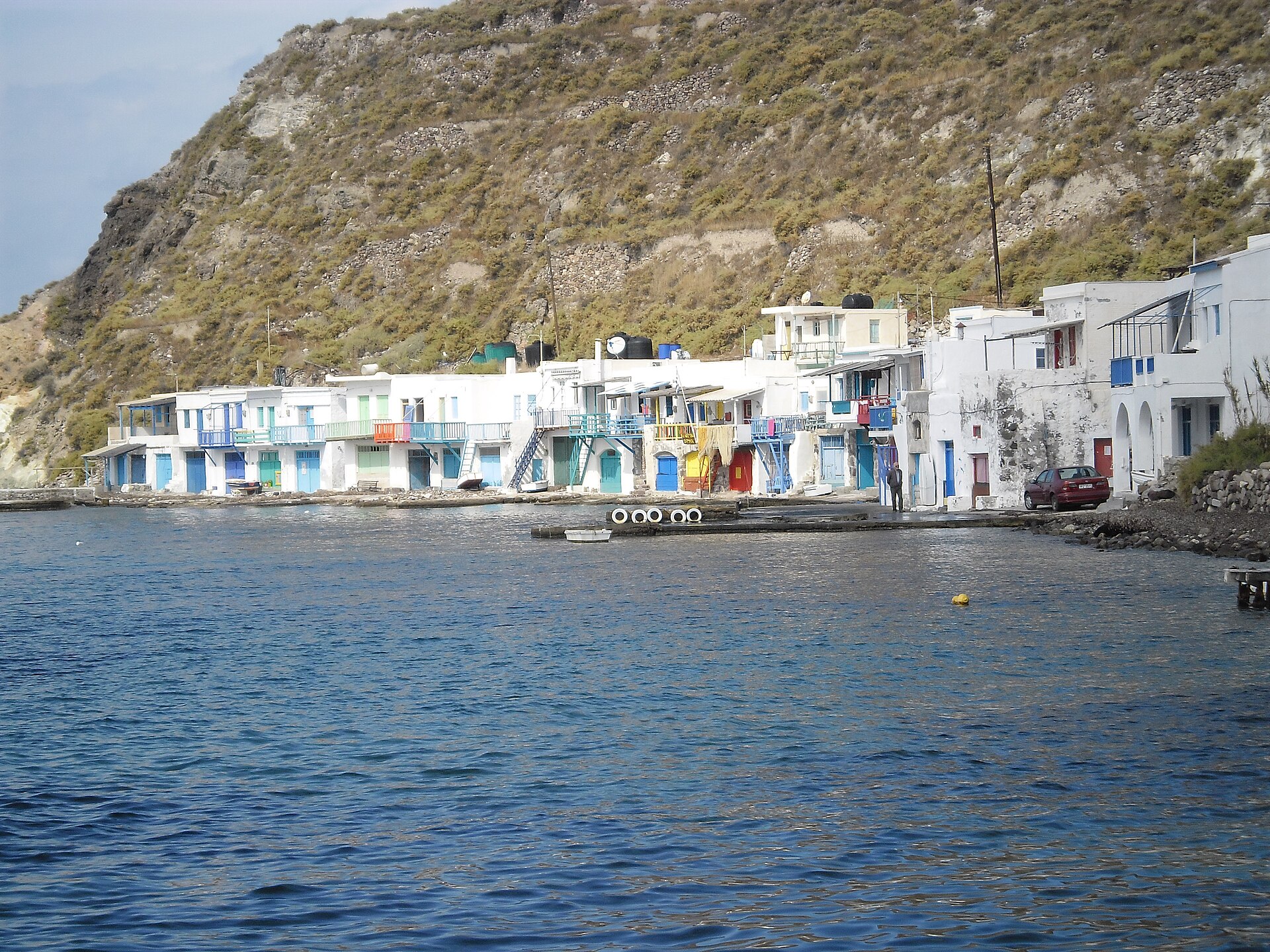
- Milos: colorful fishing houses, sea caves and moon-like white rock bays.
- Ios: golden beaches, a hilltop white town and lively summer nights.
Mainland
The mainland holds the great sites of ancient Greece, from hilltop temples to open-air theaters. Day trips and longer Greece tours reach them by coach or car. A licensed guide explains the myths and the history at each stop, which brings the old stones to life.
- Athens: the Acropolis, the Parthenon temple and lively old neighborhoods full of cafés.
- Delphi: the ancient oracle site on the steep slopes of Mount Parnassus.
- Meteora: monasteries perched on top of tall rock pillars above the plain.
- Mycenae: the Lion Gate and the legendary kingdom of King Agamemnon.
- Epidaurus: an ancient theater famous for its amazing sound.
Large islands
The large islands feel like small countries, with high mountains, busy cities and long coastlines. Greece tours on these islands mix history, local food and beach time. Many travelers fly to them directly, which saves a long ferry ride and adds time on the island.
- Crete: the Minoan palace of Knossos, deep gorges and pink-sand beaches.
- Rhodes: a walled medieval old town built by the knights of Saint John.
- Corfu: Venetian forts, green hills and an elegant old town by the sea.
- Kefalonia: Myrtos Beach, Melissani Cave and bright turquoise water along the coast.
How do you plan Greece tours over seven days?
Plan Greece tours over seven days by starting in Athens, adding a mainland site and ending the week on the islands. This order keeps travel simple and saves the beach days for last. A clear seven-day Greece itinerary shows how the pieces fit together.
Begin in Athens
Athens makes the natural first stop, since its airport is the main gateway to the country. The Acropolis, the Parthenon and the Acropolis Museum fill a rich first morning. Licensed guides here explain the stories carved into the marble.
The National Archaeological Museum suits rainy or very hot afternoons. Its halls hold gold masks, bronze statues and everyday objects from ancient homes.
The next day suits a slower pace. Travelers explore Plaka, the old neighborhood under the hill, and the busy central market. An evening on a rooftop with Acropolis views ends the city part well.
Food lovers add an evening food walk through the city center. Guides stop for souvlaki, a grilled meat wrap, and loukoumades, small honey doughnuts. It makes a tasty and easy way to end a busy day.
Some travelers prefer to plan alone, with a mix of booked trips and free time. A guide to self-guided itinerary planning helps them choose which Greece tours to book and which sights to explore solo.
Add a mainland day
In the middle of the week, a day trip to Delphi or the Argolis region adds real depth. Ancient Greeks saw Delphi as the center of the world. Greece tours to the Argolis visit Mycenae and the theater of Epidaurus in one day.
Meteora suits travelers who love dramatic views. The monasteries on rock pillars make an unforgettable sight, though the trip makes for a long day. Some Greece tours to Meteora include an overnight stay to ease the pace.
Travelers who rent a car reach these sites on their own schedule. Booking a licensed guide at the site itself still gives them the full story behind the ruins.
Families with young children often prefer the shorter trip to Cape Sounion and its sea temple. It leaves time for a swim and a relaxed seafood dinner by the coast. Anyone who dislikes long coach rides also enjoys this short coastal route.
Finish on the islands
The last part of the week belongs to the islands. Santorini and Mykonos pair well, since ferries link them often in summer. Travelers new to Greek island hopping find this route simple and rewarding.
On Santorini, Greece tours sail around the caldera and visit wineries and villages along the cliffs. On Mykonos, boats run to the ancient island of Delos and back. Evenings stay free for sunsets and slow dinners.
Sunset spots on Santorini fill up early, so travelers arrive in good time. A quiet village away from the main crowds offers the same glowing sky with more space.
Travelers who want calmer islands swap Mykonos for Paros or Milos. Both offer quieter beaches, smaller villages and easy boat trips. The final night works best near the departure port or airport for a smooth trip home.
Packing light helps a lot on this part of the trip. Ferries, steep village steps and narrow lanes make big suitcases hard to handle. A soft bag and a small backpack keep island days easy.
More questions about Greece tours
Travelers ask practical questions before Greece tours about free time, shoes, hotel pickup, tipping, photo stops and the language guides use. The short answers below cover each one clearly, so first-time visitors feel ready before the trip starts.
Can you add free time to Greece tours?
Yes, most Greece tours include free time at main stops, and private trips let travelers add extra free time whenever they want. Shared trips keep a fixed schedule, so free time follows the guide’s plan at each stop. Travelers who want a long lunch, a swim or extra shopping mention it when they book.
Which shoes suit Greece tours?
Comfortable walking shoes with good grip suit Greece tours best, since ancient paths, marble steps and village lanes get uneven and slippery. Sandals with back straps work well for boat days, beaches and short town walks. High heels and loose flip-flops cause trouble on rocky ground and worn stone steps.
Can friends join Greece tours from different hotels?
Yes, friends can join the same Greece tours from different hotels, either through separate pickups or by meeting at one central point. Each traveler simply adds a hotel name when booking the trip. Private trips handle several pickups easily, while shared trips follow a set route through the main hotel areas.
Is tipping expected on Greece tours?
Tipping is not required on Greece tours, but travelers often leave a small tip for guides and drivers after good service. A tip works as a simple thank-you for a guide who made the day special, not a fixed fee. Cash handed over at the end of the day works best.
Do Greece tours stop for photos?
Yes, Greece tours stop at viewpoints for photos, and guides often point out the angles and times with the nicest light. Some museums ban flash photos, and some ancient sites limit tripods and large camera gear. Guides explain the local rules before each visit begins.
Do Greece tours run in English?
Yes, Greece tours run in English across the country, and many licensed guides also speak French, German, Spanish or Italian. Travelers who prefer another language request it when booking, since guides in that language need advance notice. Audio guides at some museums cover even more languages for visitors.
See more in Ap1:
- Άλατα στην αποχέτευση: γιατί σχηματίζονται, πώς αφαιρούνται και πώς τα προλαμβάνετε
- Μυγάκια στο μπάνιο από την αποχέτευση: πώς τα αναγνωρίζετε, από πού βγαίνουν και πώς τα σταματάτε
- Πρακτικός Οδηγός για Αποφράξεις σε Airbnb
- Απόφραξη Αποχέτευσης Με Κάμερα
- Απόφραξη σε Πολυκατοικία στην Αθήνα: Ποιος Πληρώνει και Τι Πρέπει να Κάνει ο Διαχειριστής